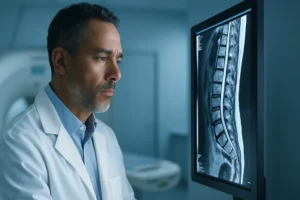

After an accident, most patients focus on pain relief first. That makes sense. When the neck, back, shoulders, hips, or head hurt, comfort becomes the immediate concern. But documentation also matters because recovery is easier to understand when the details are clear.
Good accident care notes are not just paperwork. They help connect what happened, what the patient is feeling, what the provider observes, and how the patient responds over time. Without that record, recovery can become harder to follow.
The Patient Story Starts the Record
Documentation begins with the patient’s account. When did the accident happen? What kind of impact occurred? When did symptoms begin? What areas hurt? Did symptoms appear immediately or later? What activities are difficult now?
These details help care connect to the actual experience of the patient. A crash affects more than one pain score. It can affect sleep, driving, work, childcare, exercise, and the basic movements people usually take for granted.
Progress Is Not Always a Straight Line
Pain may move, improve, flare, or become more specific as the body responds. A patient may feel better for a few days, then notice discomfort after returning to work or spending time in the car. Clear records help show those changes instead of reducing recovery to a vague memory.
Range of motion, tenderness, function, sleep disruption, headaches, work limitations, and daily activity changes can all help show whether recovery is moving in the right direction.
Records Help Providers Make Better Decisions
Documentation is not only about insurance. It helps the provider make better decisions. If symptoms worsen, fail to improve, or suggest a different concern, records can support referral for medical evaluation, imaging, or another type of care.
Without clear notes, progress can become guesswork. With clear notes, the provider can see patterns, compare visits, and adjust the care plan more thoughtfully.
Why Insurance Timelines Can Get Complicated
For accident patients in Sacramento and Elk Grove, records may also be important when dealing with claims. Insurance companies often look at timing, consistency, and gaps in care. A clear record does not guarantee an outcome, but it can reduce confusion and help explain the recovery timeline.
If pain started after a crash, waiting a long time to seek care can make the story harder to understand. Consistent documentation helps show what symptoms were reported, when care began, and how the patient responded.
Patients Can Help Keep Notes Accurate
Patients do not need to use medical language. They just need to be honest and specific. Instead of saying the back hurts, explain when it hurts: driving, sitting, bending, sleeping, lifting a child, walking, or getting through a workday.
Mention headaches, stiffness, numbness, weakness, or changes in function. Do not exaggerate, but do not minimize symptoms either. If you miss appointments because of work, transportation, illness, or family obligations, tell your provider so the record reflects the context.
Clear Communication Builds Better Care
Good injury accident chiropractic care should combine support, evaluation, and clear communication. Patients deserve to know what is being documented and why it matters. They should also feel comfortable asking how progress will be measured.
Lighthouse Chiropractic provides injury accident care for Sacramento, Elk Grove, and nearby patients. If you are recovering after a crash, careful documentation can help make your care clearer from the first visit forward.
This article is for general educational purposes only and is not medical advice, diagnosis, or treatment. Individual needs and health conditions vary. Always consult a qualified healthcare professional for personal medical guidance.