
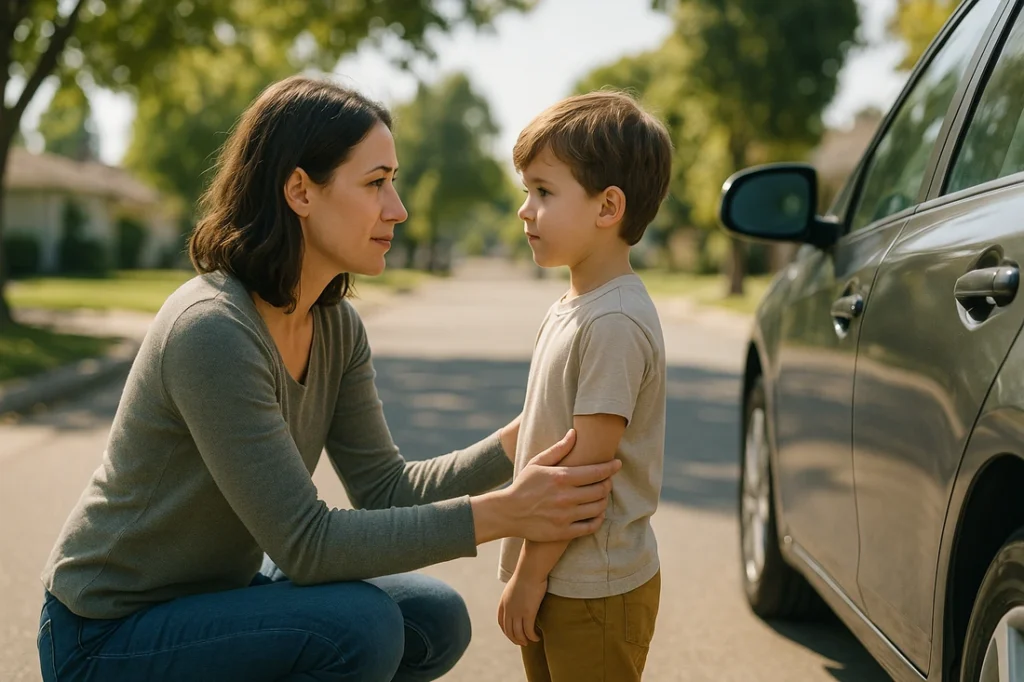
The start of the school year brings a familiar rhythm back to Sacramento and Elk Grove streets: morning drop-off lines, crossing guards, buses, and a noticeable jump in traffic. With more cars on the road during compressed hours, the chance of a minor collision goes up, especially in parking lots, school zones, and busy intersections. Many of these crashes happen at low speed, which can lead parents to assume no one was hurt.
Children, though, do not always tell us when something feels wrong. Sometimes they cannot find the words, sometimes they do not want to make a fuss, and sometimes the discomfort shows up a day or two later. This article is meant to help parents know what to watch for after a crash and understand how a gentle, child-aware evaluation can offer peace of mind.
Why Kids Underreport Their Symptoms
Younger children may not have the vocabulary to describe a deep ache or a stiff neck. Instead of saying their back hurts, they might become clingy, sleep poorly, or lose interest in play. Older children and teens may downplay symptoms because they do not want to miss school, sports, or time with friends, or because they assume soreness will simply go away.
On top of this, the rush of adrenaline after a frightening event can hide discomfort in children just as it does in adults. A child who seems perfectly fine at the scene may begin moving differently or complaining of aches the next morning. Knowing this helps parents stay observant rather than reassured by an initial calm.
Signs Worth Watching For
After any collision involving your child, it helps to keep a closer eye on them for several days. Changes in behavior can be as telling as a direct complaint of pain. Consider watching for the following.
- New complaints of neck, back, or shoulder soreness, or holding the head or body stiffly.
- Headaches, dizziness, or unusual tiredness that was not there before the crash.
- Irritability, clinginess, or trouble sleeping in a child who is usually settled.
- Reluctance to move, play, or do activities they normally enjoy.
- Changes in appetite, mood, or concentration in the days afterward.
Some signs call for urgent medical attention rather than watchful waiting. If your child loses consciousness, vomits repeatedly, seems confused, has trouble staying awake, complains of severe pain, or shows any sign of a serious injury, seek emergency care right away. When in doubt about anything urgent, contact a physician promptly.
The First Days After a Crash
In the hours and days following even a minor collision, gentle observation goes a long way. Let your child rest, keep their routine calm, and invite them to tell you about any aches without pressing too hard. Children often share more when they feel relaxed and unhurried. Writing down what you notice, along with the date, can be helpful if symptoms develop or if you later see a provider.
It also helps to talk with your child in simple, reassuring language. Explaining that it is normal to feel a little sore after a bump, and that grown-ups will help them feel better, can ease the worry that sometimes follows a scary event. Emotional comfort and physical recovery often go hand in hand for kids.
Pay attention as well to how your child carries themselves during everyday activities. A child who suddenly avoids looking over one shoulder, sits oddly to one side, or asks to skip a favorite sport may be telling you something without words. These quiet signals are easy to miss in a busy back-to-school week, so a little extra attention during this period goes a long way.
What a Gentle Pediatric-Aware Evaluation Involves
Chiropractic care for children looks quite different from care for adults. A thoughtful, child-aware evaluation begins with listening, both to you and to your child, and with a careful, unhurried examination. The goal is to understand how your child is moving and where they may be guarding or uncomfortable, all at a pace that keeps them at ease.
Any care provided for a child is adjusted to their size, age, and comfort, and uses very light, age-appropriate techniques. A good provider explains what they are doing in friendly terms, lets the child feel in control, and never forces anything. The aim is to support healthy movement and comfort while keeping the experience calm and reassuring.
When to Seek Care
You do not need to wait until your child is in obvious distress to seek guidance. If you noticed any change after the crash, or if you simply want reassurance, an evaluation can help clarify whether anything needs attention. Early assessment also creates a record of how your child was doing soon after the event, which can be valuable later.
Consider reaching out when you see lingering soreness, behavior changes that do not fade, or any symptom that worries you. Trust your instincts as a parent. You know your child’s normal better than anyone, and noticing that something is off is reason enough to ask a professional.
Supporting Your Child’s Recovery
Alongside any professional care, simple steps at home can help your child feel secure and heal comfortably. These do not replace an evaluation, but they create a supportive environment.
- Keep routines gentle and predictable in the first days after a crash.
- Encourage rest, then a gradual return to normal play as your child feels ready.
- Listen openly and take their complaints seriously, even small ones.
- Note any changes you see so you can share them accurately with a provider.
- Offer plenty of reassurance, since feeling safe supports recovery.
If your family was in a crash during the back-to-school rush around Sacramento or Elk Grove, and you have any concern about your child, we are here to help. Our team offers careful, gentle, child-aware evaluations in a calm setting. We warmly invite you to schedule an appointment so we can check on your child and help you feel confident about their recovery.
Disclaimer: This article offers general educational information only and is not a substitute for professional medical advice, diagnosis, or treatment. Every child and every injury is different, and no outcome can be guaranteed. Please consult a qualified healthcare provider about your child’s specific situation, and seek emergency care for any serious or urgent symptoms.