TL;DR: This comprehensive after car accident checklist Sacramento Elk Grove chiropractic guide covers immediate safety steps, proper incident documentation, the importance of early post-accident chiropractic evaluation, choosing qualified providers in Sacramento or Elk Grove, and essential follow-up care. Key actions include ensuring safety, documenting everything, seeking prompt chiropractic assessment for hidden injuries, and maintaining detailed records for optimal recovery and legal protection.
Safety First: At The Scene
The moments immediately following a car accident can be overwhelming and disorienting, but taking the right steps to ensure safety and prevent further injury should always be your first priority. Even minor collisions can cause injuries that aren’t immediately apparent, making careful movement and assessment crucial for protecting your health and well-being in both the short and long term.
Move to safety if possible, but only if you can do so without risking additional injury to yourself or others involved in the accident. If your vehicle is drivable and you feel physically capable of moving it, pull over to the shoulder of the road or into a nearby parking lot to get out of traffic flow. Turn on your hazard lights immediately to alert other drivers to the situation and reduce the risk of secondary accidents that could cause additional injuries.
However, if you experience any neck pain, back pain, dizziness, or other symptoms that suggest possible spinal injury, remain in your current position and wait for emergency medical services to arrive. Moving with an undiagnosed spinal injury could potentially cause additional damage that might have been prevented with proper immobilization and medical assessment.
Call emergency services for severe injuries, and don’t hesitate to request ambulance service even if injuries seem minor at first. Adrenaline and shock can mask pain and injury symptoms, making it difficult to accurately assess your condition immediately after an accident. Emergency medical technicians are trained to recognize signs of serious injury that might not be obvious to untrained individuals, and early medical documentation can be important for both your health and any potential legal proceedings.
Signs that warrant immediate emergency medical attention include:
- Loss of consciousness, even briefly, which may indicate head injury or concussion
- Severe neck or back pain that could suggest spinal injury
- Numbness, tingling, or weakness in arms or legs indicating possible nerve damage
- Difficulty breathing or chest pain that might indicate internal injuries
- Visible bleeding, especially from the head or if bleeding won’t stop with pressure
- Confusion, disorientation, or memory problems suggesting possible traumatic brain injury
Basic first aid knowledge can be valuable in the immediate aftermath of an accident, but it’s important to know your limitations and when to wait for professional emergency medical services rather than attempting interventions that could potentially cause harm. If someone appears to have a head, neck, or back injury, avoid moving them unless they’re in immediate danger from fire or other hazards.
For conscious victims without apparent spinal injuries, basic first aid principles include controlling bleeding with direct pressure using clean cloth or gauze, keeping the person warm and comfortable while waiting for help, monitoring their breathing and consciousness level, and providing reassurance to help manage shock and anxiety that commonly occur after traumatic events.
When to wait for EMS becomes a critical decision that can significantly impact injury outcomes. If there’s any doubt about the severity of injuries, it’s always better to err on the side of caution and wait for professional medical assessment. Emergency medical technicians have specialized training and equipment to safely move and transport injured individuals while minimizing the risk of additional harm.
Even if you initially feel fine after an accident, be aware that many common car accident injuries, particularly soft tissue injuries like whiplash, may not present symptoms until hours or even days after the initial trauma. The body’s natural stress response can mask pain and other symptoms, making immediate post-accident assessment an unreliable indicator of actual injury severity.
Documenting The Incident For Health And Legal Purposes
Thorough documentation immediately after a car accident serves dual purposes: providing essential information for your healthcare providers to deliver appropriate treatment and creating a comprehensive record that may be crucial for insurance claims and legal proceedings. The quality and completeness of your initial documentation can significantly impact both your medical care and any potential compensation for injuries and damages.
Take photos of everything related to the accident scene, including all vehicles involved from multiple angles, damage to property or infrastructure, road conditions and weather, visible injuries (if appropriate), and the overall accident scene showing vehicle positions and traffic control devices. Modern smartphones make comprehensive photo documentation quick and easy, so take more pictures than you think you might need.
Photo documentation should include wide-angle shots that show the overall accident scene and traffic conditions, close-up images of vehicle damage from all angles, pictures of license plates for all vehicles involved, documentation of road conditions, weather, and lighting, images of traffic signs, signals, or road hazards that may have contributed to the accident, and if safe and appropriate, photos of visible injuries or medical equipment used at the scene.
Exchange information with all parties involved, including full names and contact information, insurance company names and policy numbers, driver’s license numbers, vehicle makes, models, years, and VIN numbers, and the location where the accident occurred with specific street addresses or landmarks. This information will be essential for insurance claims and potential legal proceedings.
Note witness details if there are bystanders who observed the accident, as their testimony may become valuable if there are disputes about how the accident occurred. Collect names, phone numbers, and brief statements about what they saw, but don’t ask witnesses to speculate about fault or causes beyond what they directly observed.
Record symptoms immediately, even if they seem minor or you’re not sure they’re related to the accident. Injury documentation Sacramento professionals emphasize that early symptom documentation creates a crucial baseline for tracking your recovery and provides important evidence of the connection between your injuries and the accident.
Initial symptom documentation should include:
- Any pain, stiffness, or discomfort in your neck, back, shoulders, or other body parts
- Headaches, dizziness, or vision problems that may indicate head injury
- Numbness, tingling, or weakness in arms, hands, legs, or feet
- Difficulty concentrating, memory problems, or confusion
- Nausea, fatigue, or other general symptoms
- Emotional symptoms like anxiety, stress, or sleep disturbances
Keep a symptom diary starting immediately after the accident and continuing throughout your recovery process. Many accident-related injuries, particularly soft tissue injuries common in car accidents, may worsen over the first few days or weeks after the initial trauma. A detailed symptom diary helps your healthcare providers understand how your condition is progressing and can be valuable evidence of the ongoing impact of your injuries.
Your symptom diary should include daily entries noting pain levels on a scale of 1-10, activities that increase or decrease symptoms, sleep quality and any sleep disturbances, medications taken and their effectiveness, missed work or activities due to symptoms, and appointments with healthcare providers and treatments received.
This documentation becomes particularly important for injuries that may not show up on initial X-rays or other imaging studies. Soft tissue injuries, which are extremely common in car accidents, often require time to develop and may not be apparent in the immediate aftermath of the accident. Detailed symptom documentation helps establish the connection between your accident and symptoms that develop over time.
Why Early Chiropractic Assessment Matters
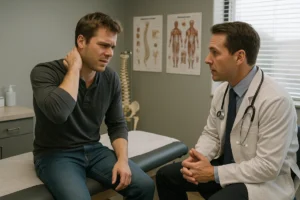
Seeking prompt chiropractic evaluation after a car accident can be crucial for identifying and treating injuries that might not be immediately apparent through emergency room assessments or standard medical examinations. Emergency rooms excel at identifying and treating life-threatening injuries, but they typically focus on ruling out serious trauma rather than diagnosing and treating the musculoskeletal injuries that are extremely common in vehicle accidents.
Early assessment can catch soft-tissue injuries that may not show symptoms for hours or days after the initial trauma but can lead to significant long-term problems if left untreated. The forces involved in even minor car accidents can cause microscopic tears in muscles, ligaments, and other soft tissues that may not be detectable through standard emergency room procedures but can benefit significantly from early chiropractic intervention.
Whiplash represents one of the most common car accident injuries, occurring when the head and neck are suddenly jerked forward and backward in a whip-like motion. This type of injury can occur in accidents at speeds as low as 5-10 miles per hour and may not cause immediate pain or other symptoms. However, without proper treatment, whiplash can lead to chronic neck pain, headaches, and reduced range of motion that can persist for months or years.
Early chiropractic assessment for whiplash can identify subtle signs of injury before they develop into more serious problems. Chiropractors are specially trained to detect minor misalignments, muscle tension patterns, and other indicators of soft tissue injury that might be missed in emergency room evaluations focused on ruling out fractures and other serious trauma.
The role of chiropractic care in reducing chronic pain cannot be overstated for car accident victims. Research consistently shows that early intervention for musculoskeletal injuries leads to better long-term outcomes, shorter recovery times, and reduced likelihood of developing chronic pain conditions that can significantly impact quality of life and daily functioning.
Delayed treatment of car accident injuries often allows inflammatory processes to become established, scar tissue to form in abnormal patterns, and compensation patterns to develop as the body tries to work around injured areas. These secondary problems can become more difficult to treat than the original injury and may require more intensive and prolonged treatment approaches.
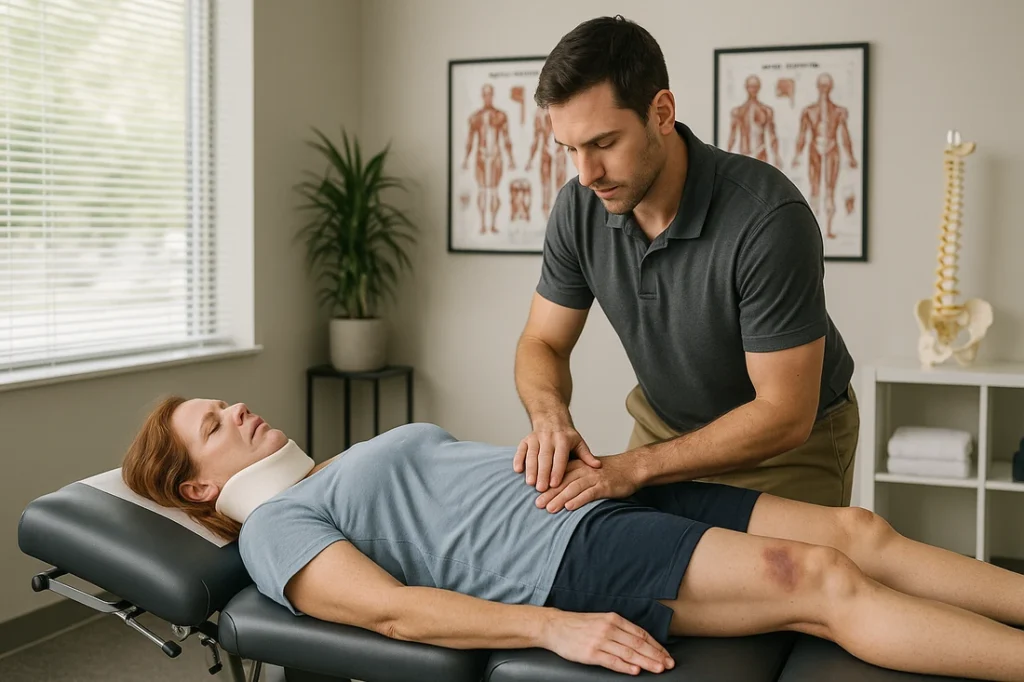
Chiropractic role in diagnosing whiplash, spinal misalignment, and referred pain involves specialized examination techniques and diagnostic approaches that are specifically designed to identify musculoskeletal injuries that may not be apparent through standard medical imaging or examination procedures. Chiropractors are trained to detect subtle changes in spinal alignment, muscle tension, and joint mobility that can indicate injury even when X-rays or other imaging studies appear normal.
Comprehensive chiropractic evaluation after a car accident typically includes:
- Detailed history taking that explores all symptoms and their relationship to the accident
- Physical examination including posture analysis, range of motion testing, and palpation
- Neurological testing to assess nerve function and identify potential nerve involvement
- Orthopedic testing to evaluate joint stability and identify specific injury patterns
- Assessment of muscle strength, coordination, and reflexes
- Evaluation of spinal alignment and joint mobility through motion palpation
Referred pain patterns are particularly important to understand in the context of car accident injuries, as neck and spine injuries can cause symptoms that appear in seemingly unrelated parts of the body. For example, cervical spine injuries can cause headaches, shoulder pain, or even numbness and tingling in the hands and arms that might not initially seem connected to the accident.
Understanding these referred pain patterns requires specialized knowledge and experience with car accident injuries that chiropractors develop through focused training and clinical experience. This expertise allows them to identify connections between symptoms and underlying injuries that might not be apparent to healthcare providers with less experience in treating musculoskeletal trauma.
The Importance Of Timing
The timing of chiropractic evaluation after a car accident can significantly impact treatment outcomes and recovery success. The inflammatory response that naturally occurs after tissue injury creates a window of opportunity for intervention that can influence long-term healing patterns. Early treatment can help guide this healing process in positive directions, while delayed treatment may mean working to correct problems that have already become established.
Most chiropractic professionals recommend evaluation within the first few days after an accident, even if symptoms seem minor or are not yet present. This early assessment can establish baseline measurements and identify subtle problems before they develop into more significant issues that require more intensive treatment approaches.
How To Choose Where To Get Evaluated In Sacramento Or Elk Grove
Selecting the right chiropractic provider for your post-accident evaluation and treatment requires careful consideration of several factors that can significantly impact both the quality of your care and the documentation necessary for insurance and legal purposes. Not all chiropractic practices have the same level of experience or expertise in treating car accident injuries, making provider selection a crucial decision in your recovery process.
Look for clinics experienced with personal injury cases, as these providers will have specialized knowledge about the types of injuries commonly seen in car accidents and the documentation requirements that may be necessary for insurance claims or legal proceedings. Personal injury experience also typically means familiarity with the timeline and process of accident-related medical care, including coordination with other healthcare providers and legal professionals.
Practices with personal injury experience typically offer several advantages including understanding of insurance requirements and documentation standards, familiarity with the legal aspects of accident-related injuries, experience with the specific types of injuries commonly seen in vehicle accidents, knowledge of appropriate referral sources for additional care when needed, and expertise in providing the detailed documentation that may be required for legal proceedings.
When seeking chiropractic care Elk Grove or Sacramento areas, consider looking for bilingual staff if English is not your primary language, as clear communication about your symptoms, treatment plan, and progress is essential for optimal care outcomes. Misunderstandings about symptoms or treatment recommendations can significantly impact your recovery process and satisfaction with care.
Convenient locations in Sacramento/Elk Grove area become particularly important when you’re dealing with accident-related injuries that may limit your ability to travel long distances or may require frequent follow-up visits during the initial stages of treatment. Choosing a provider close to your home or work can make it easier to maintain consistent treatment schedules that support optimal recovery.
Location considerations should include proximity to your home or workplace for easy access to appointments, availability of convenient parking that accommodates any mobility limitations, accessibility features for individuals with temporary mobility restrictions, and proximity to other healthcare providers you may need to see as part of your recovery process.
Check for experience with insurance and medico-legal documentation, as the administrative aspects of accident-related care can be complex and require specialized knowledge to navigate effectively. Providers experienced in this area can help ensure that your treatment is properly documented and that insurance claims are processed smoothly.
Insurance and documentation experience should include:
- Familiarity with different insurance carriers and their specific requirements
- Experience with personal injury protection (PIP) and medical payment coverage
- Knowledge of what documentation is required for insurance reimbursement
- Understanding of legal requirements for medical documentation in personal injury cases
- Ability to provide detailed treatment reports and testimony if required
- Experience working with attorneys and legal professionals when necessary
Provider credentials and specializations should be verified to ensure you’re receiving care from qualified professionals with appropriate training in treating accident-related injuries. Look for doctors of chiropractic who are licensed in California and have additional training or certification in areas relevant to car accident injuries.
Additional qualifications to consider include post-graduate training in personal injury or trauma care, certification in specialized treatment techniques for soft tissue injuries, experience with diagnostic imaging interpretation, training in rehabilitation and therapeutic exercise, and continuing education in current best practices for accident injury treatment.
Office policies and procedures related to accident cases should be clearly explained during your initial contact with potential providers. Understanding these policies upfront can help prevent misunderstandings and ensure that your care proceeds smoothly throughout your recovery process.
Questions To Ask Potential Providers
Before scheduling your evaluation, consider asking potential chiropractic providers about their experience with car accident cases, their approach to documentation and insurance communication, their typical treatment protocols for accident-related injuries, and their availability for follow-up care and progress monitoring.
Understanding a provider’s approach to your specific situation can help you make an informed decision about whether their practice is a good fit for your needs and circumstances. Don’t hesitate to ask questions about anything that’s important to you in making this decision.
Follow-Up Steps: Appointments, Imaging, And Records
Establishing a comprehensive follow-up plan after your initial chiropractic evaluation ensures continuity of care and optimal recovery outcomes while maintaining the detailed documentation that may be necessary for insurance and legal purposes. The follow-up phase of your care is often as important as the initial assessment in determining your long-term recovery success.
Request copies of imaging and reports from all healthcare providers you see in connection with your accident injuries, including emergency room records, any X-rays or other imaging studies performed, initial chiropractic evaluation findings, and ongoing progress reports from all treatment providers. Having complete copies of your medical records ensures that all your healthcare providers have access to comprehensive information about your condition and treatment history.
Medical record management becomes particularly important when multiple healthcare providers are involved in your care, as is common with car accident injuries. Keeping organized copies of all reports, imaging studies, and treatment notes helps ensure that each provider has access to complete information about your condition and can make informed decisions about your ongoing care needs.
Essential records to obtain and organize include initial emergency room or urgent care records and any diagnostic imaging, detailed chiropractic evaluation reports and treatment plans, progress notes from all treatment sessions, imaging study reports and actual images when available, referral letters and reports from other specialists, and documentation of missed work or activities due to your injuries.
Schedule follow-up visits according to your chiropractor’s recommendations, as consistent treatment during the initial healing phase can significantly impact your long-term recovery outcomes. The frequency and duration of follow-up care will depend on the severity and type of your injuries, your individual healing response, and your progress toward recovery goals.
Typical follow-up schedules for car accident injuries often involve more frequent visits initially, with gradual spacing as symptoms improve and function is restored. However, each case is unique, and your specific follow-up schedule should be based on your individual condition and response to treatment.
Follow-up visit planning should include clear understanding of treatment goals and expected timelines, regular reassessment of symptoms and functional improvement, modification of treatment approaches based on your progress, coordination with other healthcare providers as needed, and documentation of your recovery process for insurance and potential legal purposes.
Ensure continuity of care with other providers by maintaining open communication between all healthcare professionals involved in your treatment. This coordination helps prevent conflicting treatment approaches and ensures that all aspects of your condition are being addressed appropriately.
Care coordination may involve sharing relevant medical records between providers, communicating about treatment goals and approaches, scheduling appointments to complement rather than conflict with other treatments, and ensuring that all providers understand their role in your overall recovery plan.
When multiple providers are involved in your care, consider designating one provider as the primary coordinator who can help manage communication and ensure that all aspects of your treatment plan are working together effectively. This coordination becomes particularly important if you need referrals to specialists or if your condition requires complex treatment approaches.
Progress monitoring should be systematic and objective, using measurable indicators of improvement rather than relying solely on subjective symptom reports. While your personal experience of symptoms is important, objective measurements help track progress and guide treatment decisions more effectively.
Progress monitoring tools may include:
- Regular pain and symptom rating scales to track changes over time
- Range of motion measurements to assess functional improvement
- Strength and endurance testing to monitor physical recovery
- Functional assessment questionnaires to evaluate daily activity limitations
- Work and activity participation levels as indicators of overall recovery
- Sleep quality and general well-being measures as broader health indicators
Insurance communication throughout your follow-up care requires attention to ensure that your treatment continues to be covered and that any required authorizations or documentation are provided promptly. Understanding your insurance benefits and requirements can help prevent unexpected costs or treatment interruptions.
Staying proactive about insurance matters includes understanding your coverage limits and benefits, obtaining required pre-authorizations for ongoing treatment, providing requested documentation promptly, keeping records of all insurance communications, and asking questions if you don’t understand coverage decisions or requirements.
Long-Term Recovery Planning
Developing realistic expectations for your recovery timeline helps you stay motivated during the healing process while avoiding frustration with normal variations in recovery progress. Recovery from car accident injuries can be unpredictable, with some people experiencing steady improvement while others may have periods of rapid progress alternating with plateaus.
Understanding that recovery is often not linear and that some setbacks are normal parts of the healing process can help you maintain a positive outlook and continue with recommended treatment even when progress seems slow. Your healthcare providers can help you understand what to expect based on your specific injuries and individual factors that may affect your recovery.
The aftermath of a car accident can feel overwhelming, but taking systematic steps to protect your health and document your experience creates the foundation for the best possible recovery outcome. Remember that your wellbeing is the top priority, and seeking appropriate care early often makes the difference between full recovery and long-term complications. Whether you’re in Sacramento, Elk Grove, or surrounding areas, qualified chiropractic professionals can help guide you through this challenging time with expertise, compassion, and the comprehensive care you deserve during your healing journey.